
Property Investment
The election is over. How likely are these 4 property tax changes?
4 big property tax changes were on the table this election. How many will actually happen? 👇
Property Investment
3 min read


Author: Andrew Nicol
Founder, 20+ Years' Experience Investing In Property, Author & Host
NZ house prices are at the bottom of a house price downturn.
But, how many Kiwi property sellers are losing money?
Almost 16% of properties – about 1 in 6 sellers – sold for less than they paid. That’s according to Cotality's latest Pain and Gain report.
That means that even after the worst property downturn in almost 40 years… over 84% of sellers made money.
Sure, the share of property sellers losing is up from earlier quarters. But previous years have been worse.
In 2001, just under 28% of sellers made a loss. In 2011, it was almost 20%.
But could that doom and gloom provide an opportunity?
If you’d bought at those times, 5 years later, house prices were up 93% (2001) and 61% (2011).
When Cotality splits the sellers into 2 groups:
There is one big difference between them. How long they held on. The longer you own the property, the more likely you are to make money.
People who sold at a loss owned their property for a median of 4.5 years.
People who made money had held for 10.4 years.
But what people miss is that the gains are often bigger than the losses. In the most recent quarter, the median loss was $60,000. The median gain was $270,000.
So, the typical gain is more than 4x the typical loss.
So while 1 in 6 sellers lost money, the ones who made money made a lot more than the others lost.
That difference is time.
48% of apartment sellers made a loss. For townhouses, it was around 22%, and for houses, just 13%.
According to Kelvin Davidson, chief property economist at Cotality, the type of townhouse you buy makes a difference.
Kelvin says the townhouses more likely to sell at a loss:
You've probably walked through one. Two bedrooms over three levels, lots of stairs and not much room to move.
2-storey townhouses with decent build quality, he says, can still sell for a good price.
For example, this owner bought a townhouse in Christchurch near the peak of the market. They still made money.
It has 2 bedrooms and was bought for $549,000 in March 2021.
In mid-2026, it sold again for $580,000, after just 3 days on the market.
Look, that $31,000 gain isn't going to change the owner's life, but at a time when property prices have fallen, it's good to see a property holding its value.
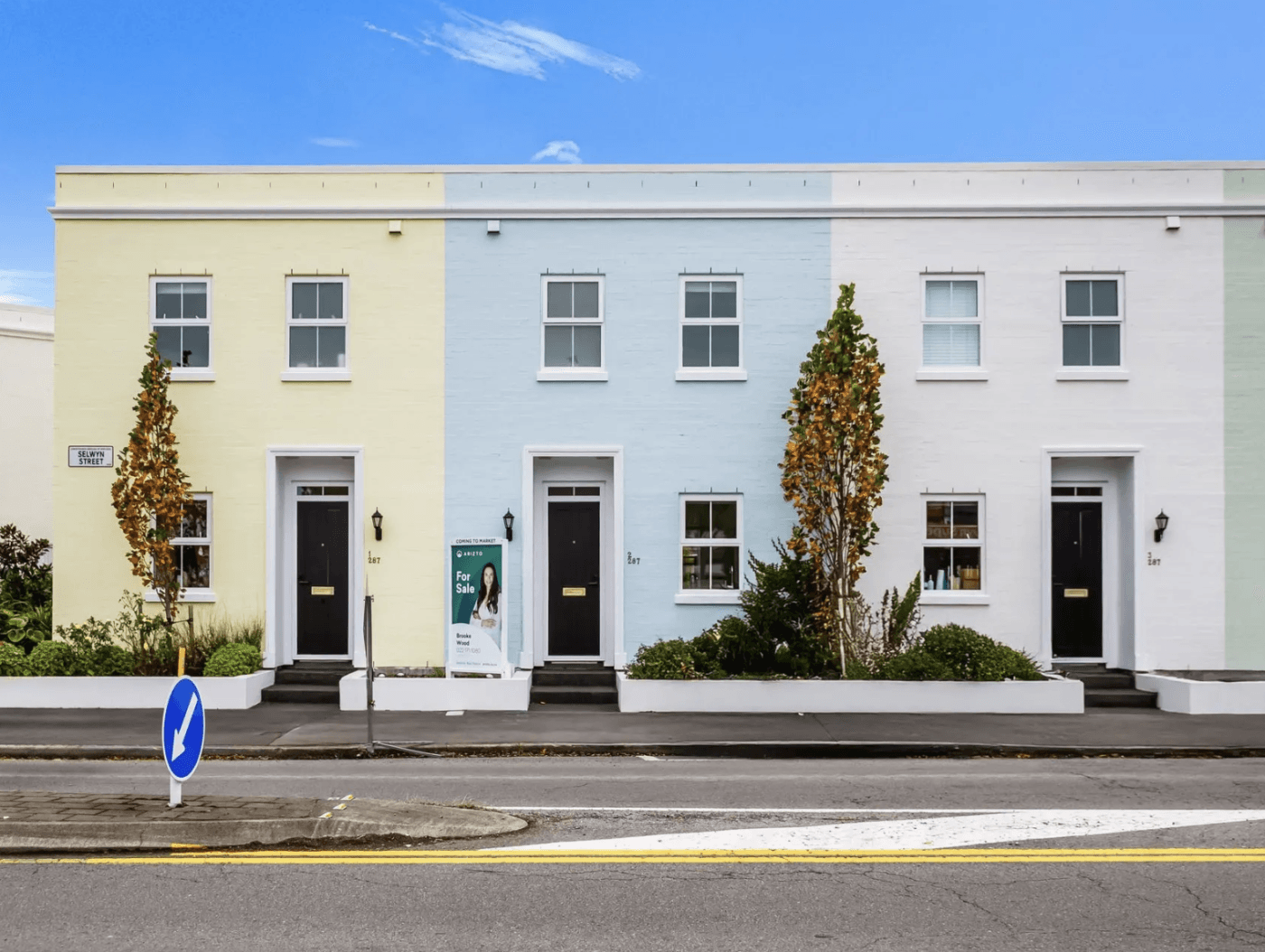
But it's not all hunky-dory. This property in Auckland was bought two months later and lost $169,000.
It's also a 2-bed townhouse. This time in Westgate, Auckland.
It sold for $689,000 in May 2021. In July 2026, it sold for $520,000, after 211 days on the market.
That's a $169,000 loss (24.5%).
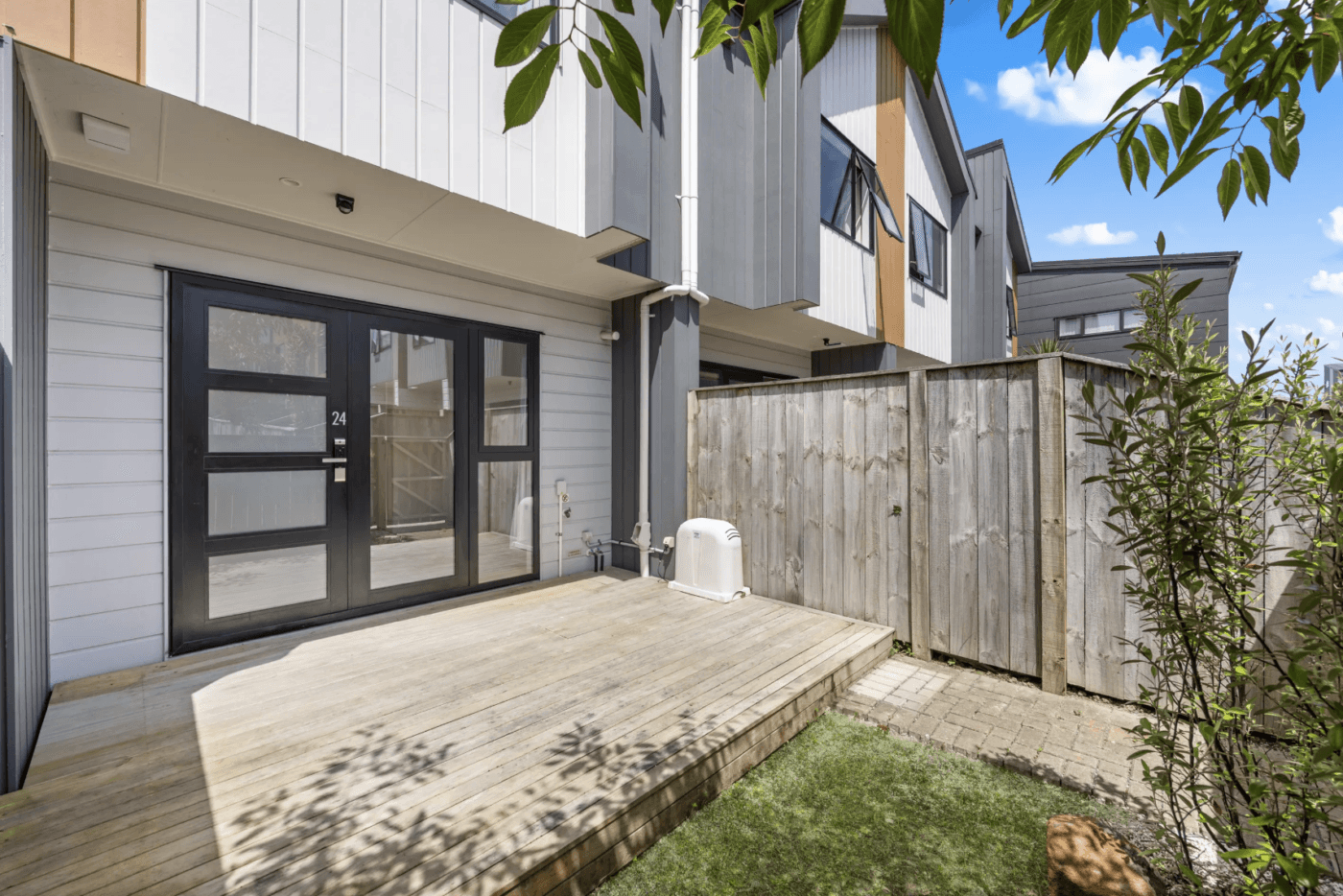
So the properties were bought two months apart, but:
But this time, the difference in returns didn’t come down to time. It was the individual property and the location.
This report can’t tell you if it’s a good time to buy. Instead, it tells you how people who bought 5 or 10 years ago have done.
House prices have fallen. That’s good for buyers. Bad for sellers.
That doesn’t mean any property will do. Look for one that’s well designed, in a good location, at a fair price.
Or as Kelvin from Cotality said: “It’s a bloody good time to buy a townhouse.”
Founder, 20+ Years' Experience Investing In Property, Author & Host
Andrew Nicol, Managing Director at Opes Partners, is a seasoned financial adviser and property investment expert with 20+ years of experience. With 40 investment properties, he hosts the Property Academy Podcast, co-authored 'Wealth Plan' with Ed Mcknight, and has helped 1,894 Kiwis achieve financial security through property investment.
This article is for your general information. It’s not financial advice. See here for details about our Financial Advice Provider Disclosure. So Opes isn’t telling you what to do with your own money.
We’ve made every effort to make sure the information is accurate. But we occasionally get the odd fact wrong. Make sure you do your own research or talk to a financial adviser before making any investment decisions.
You might like to use us or another financial adviser


